EUROPE
7601 articles
USA
0 articles
DIGITAL
15677 articles (à imprimer)
Partitions Digitales
Partitions à imprimer
15677 partitions trouvées


Saxophone Trio,Woodwind Ensemble Alto Saxophone - Level 2 - Digital Download SKU: A0.1148913 Composed by Ludwig van Beethoven. Arranged by Ander. Classical,Instructional,March,Opera,Romantic Period. 10 pages. Woods Only, Arrangements #749046. Published by Woods Only, Arrangements (A0.1148913). This arrangement adapted for alto saxophone trio was written keeping the characteristics of the original work, that is, inspiring and significant to the already known choral symphony by Beethoven, indicated to be performed by young music students, who want to enter the symphonic music, moreover, it can also be used by professional musicians, for recitals, repertoire, academic presentations and didactic material. As much as it is a funeral march, it is well suited for any musical performance occasion. The transcription is faithful to the structure, with only one change in key, so that it is comfortable for all instruments in the formation, thus maintaining the essence of the striking melody, as well as using it for ensemble practice among musicians of different traditions. Beethoven's Ninth Symphony Op. 125 incorporates part of the poem An die Freude (To Joy), a hymn written by Friedrich Schiller, with the text sung by soloists and a choir in its last movement. It was the first example of a major composer using the human voice as prominently as the instruments in a symphony, thus creating a far-reaching work that set the tone for the symphonic form that was to be adopted by Romantic composers. This is the last complete symphony composed by Ludwig van Beethoven. The choral symphony, better known as the Ninth Symphony or The Ninth, is one of the best known works in the Western repertoire, considered both an icon and predecessor of Romantic music, and one of Beethoven's great masterpieces, where it was first performed on May 7, 1824, the same year it was completed, at the Kärntnertortheater in Vienna, Austria. The conductor was Michael Umlauf, the theater's music director, and Beethoven - dissuaded from conducting by the advanced stage of his deafness - was given a special place on the stage next to the conductor. It was later rearranged by Herbert von Karajan to become the anthem of the European Union in 1972, the national anthem of Rhodesia from 1974 until 1979, Rise, O Voices of Rhodesia, used the tune Ode to Joy..
Ode to Joy by Beethoven for Alto Sax Trio
3 Saxophones (trio)

$5.99 5.16 € 3 Saxophones (trio) PDF SheetMusicPlus

Easy Piano - Level 3 - Digital Download SKU: A0.1396664 Composed by Angela Stone and David Vincent Bright. Arranged by John Fries. 20th Century,Broadway,Jazz,Musical/Show,Standards. Score. 2 pages. John Fries #980005. Published by John Fries (A0.1396664). TYPE JOHN FRIES IN THE SEARCH BAR TO SEE ALL I HAVE TO OFFER. Thanks, John. The song was composed in 1926 as a last-minute addition to the Rodgers and Hart musical Betsy. Although the show ran for only 39 performances, Blue Skies was an instant success, with audiences on opening night demanding 24 encores of the piece from star Belle Baker. During the final repetition, Ms. Baker forgot her lyrics, prompting Berlin to sing them from his seat in the front row. The song was featured prominently in the film Star Trek: Nemesis, as sung by Commander Data during the wedding at the start of the film. It is sung again at the very end of the film by his brother, the android B-4, during the final scene set in the 24th century,.
Blue Skies
Piano Facile

$5.99 5.16 € Piano Facile PDF SheetMusicPlus

Instrumental Duet,Viola,Violin - Level 2 - Digital Download SKU: A0.1202675 Composed by Ludwig van Beethoven. Arranged by Ander. Classical,Instructional,March,Opera,Romantic Period. 8 pages. Woods Only, Arrangements #801439. Published by Woods Only, Arrangements (A0.1202675). This arrangement adapted for violin and viola duet was written keeping the characteristics of the original work, that is, inspiring and significant to the already known choral symphony by Beethoven, indicated to be performed by young music students, who want to enter the symphonic music, moreover, it can also be used by professional musicians, for recitals, repertoire, academic presentations and didactic material. As much as it is a funeral march, it is well suited for any musical performance occasion. The transcription is faithful to the structure, with only one change in key, so that it is comfortable for all instruments in the formation, thus maintaining the essence of the striking melody, as well as using it for ensemble practice among musicians of different traditions.Beethoven's Ninth Symphony Op. 125 incorporates part of the poem An die Freude (To Joy), a hymn written by Friedrich Schiller, with the text sung by soloists and a choir in its last movement. It was the first example of a major composer using the human voice as prominently as the instruments in a symphony, thus creating a far-reaching work that set the tone for the symphonic form that was to be adopted by Romantic composers. This is the last complete symphony composed by Ludwig van Beethoven. The choral symphony, better known as the Ninth Symphony or The Ninth, is one of the best known works in the Western repertoire, considered both an icon and predecessor of Romantic music, and one of Beethoven's great masterpieces, where it was first performed on May 7, 1824, the same year it was completed, at the Kärntnertortheater in Vienna, Austria. The conductor was Michael Umlauf, the theater's music director, and Beethoven - dissuaded from conducting by the advanced stage of his deafness - was given a special place on the stage next to the conductor. It was later rearranged by Herbert von Karajan to become the anthem of the European Union in 1972, the national anthem of Rhodesia from 1974 until 1979, Rise, O Voices of Rhodesia, used the tune Ode to Joy.
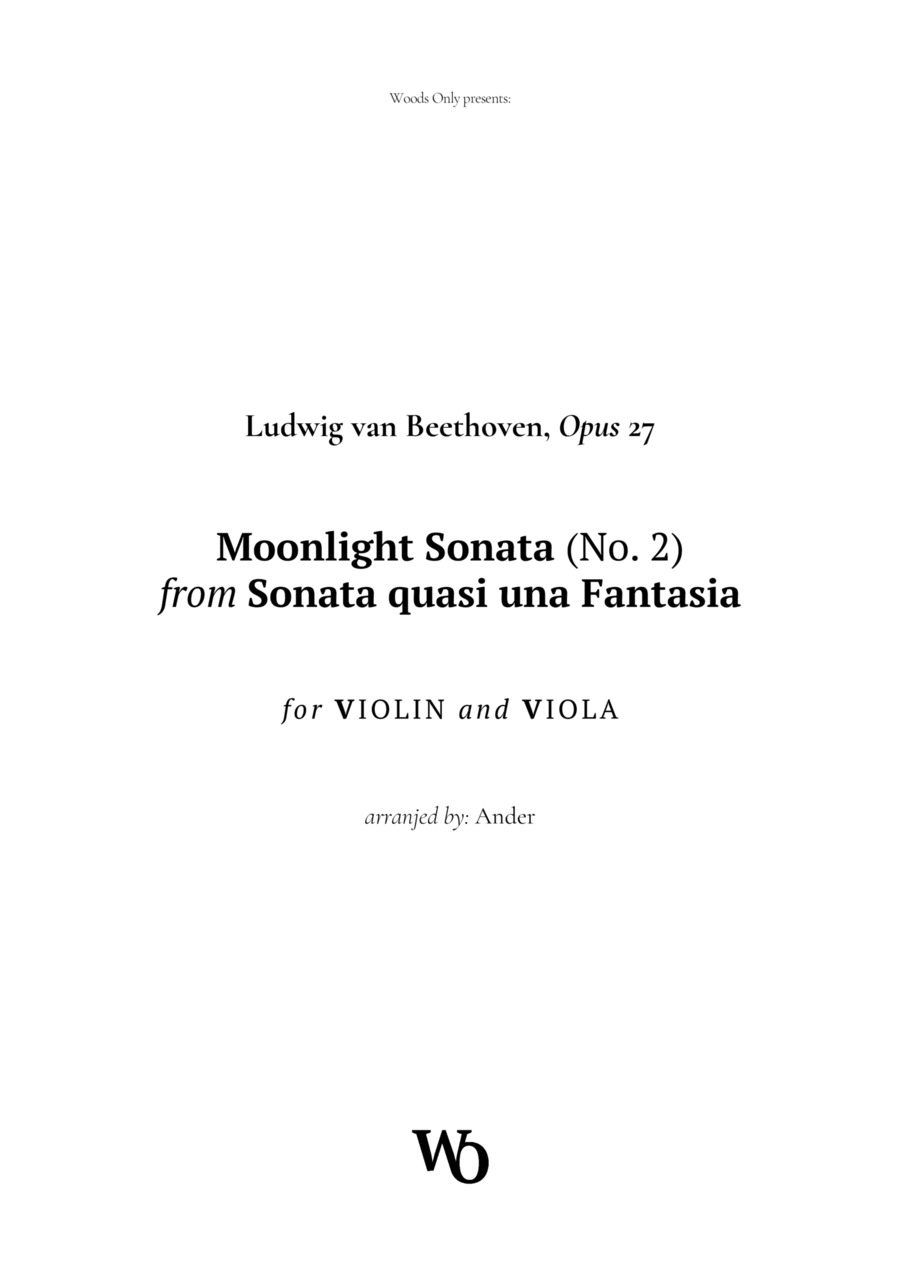
Ode to Joy by Beethoven for Violin and Viola
Violon, Alto (duo)

$3.99 3.44 € Violon, Alto (duo) PDF SheetMusicPlus

Woodwind Ensemble,Woodwind Quintet Tenor Saxophone - Level 2 - Digital Download SKU: A0.1129698 Composed by Ludwig van Beethoven. Arranged by Ander. Classical,Instructional,March,Opera,Romantic Period. 15 pages. Woods Only, Arrangements #730109. Published by Woods Only, Arrangements (A0.1129698). This arrangement adapted for tenor sax quintet was written keeping the characteristics of the original work, that is, inspiring and significant to the already known choral symphony by Beethoven, indicated to be performed by young music students, who want to enter the symphonic music, moreover, it can also be used by professional musicians, for recitals, repertoire, academic presentations and didactic material. As much as it is a funeral march, it is well suited for any musical performance occasion. The transcription is faithful to the structure, with only one change in key, so that it is comfortable for all instruments in the formation, thus maintaining the essence of the striking melody, as well as using it for ensemble practice among musicians of different traditions. Beethoven's Ninth Symphony Op. 125 incorporates part of the poem An die Freude (To Joy), a hymn written by Friedrich Schiller, with the text sung by soloists and a choir in its last movement. It was the first example of a major composer using the human voice as prominently as the instruments in a symphony, thus creating a far-reaching work that set the tone for the symphonic form that was to be adopted by Romantic composers. This is the last complete symphony composed by Ludwig van Beethoven. The choral symphony, better known as the Ninth Symphony or The Ninth, is one of the best known works in the Western repertoire, considered both an icon and predecessor of Romantic music, and one of Beethoven's great masterpieces, where it was first performed on May 7, 1824, the same year it was completed, at the Kärntnertortheater in Vienna, Austria. The conductor was Michael Umlauf, the theater's music director, and Beethoven - dissuaded from conducting by the advanced stage of his deafness - was given a special place on the stage next to the conductor. It was later rearranged by Herbert von Karajan to become the anthem of the European Union in 1972, the national anthem of Rhodesia from 1974 until 1979, Rise, O Voices of Rhodesia, used the tune Ode to Joy..
Ode to Joy by Beethoven for Tenor Sax Quintet
Quintette de Saxophone: 5 saxophones

$9.99 8.61 € Quintette de Saxophone: 5 saxophones PDF SheetMusicPlus

Guitar,Piano,Vocal,Voice - Level 3 - Digital Download SKU: A0.1247092 Composed by Charles Tobias, Hans Bradtke, and Hans Carste. Arranged by Casey Jones Costello. 20th Century,Barbershop,Film/TV,Pop,Standards. Score. 4 pages. Casey Jones Costello #841655. Published by Casey Jones Costello (A0.1247092). Those Lazy-Hazy-Crazy Days Of Summer with music by Hans Carste and English lyrics by Charles Tobias, is arranged for voice and piano in the key of C by Casey Jones Costello. The song was originally popularized in 1963 by Nat King Cole, whose version reached the Top 10 on the U.S. Billboard Charts. It was later featured prominently in the first episode of the third season of Gilmore Girls. The song modulates from C to Db and features a vocal range of C4-Eb5.
Those Lazy-hazy-crazy Days Of Summer
Piano, Voix et Guitare

$4.99 4.3 € Piano, Voix et Guitare PDF SheetMusicPlus

Horn,Trombone,Trumpet - Level 2 - Digital Download SKU: A0.1265516 Composed by Luigi Boccherini. Arranged by Ander. 19th Century,Classical,March,Opera,Romantic Period. 9 pages. Woods Only, Arrangements #858317. Published by Woods Only, Arrangements (A0.1265516). This Brass Trio arrangement was created to preserve the characteristics of the original work, inspiring and significant to Beethoven’s well-known choral symphony. It is suitable for young music students and professional musicians, for recitals, repertoire, academic presentations, and didactic material. The transcription is faithful to the structure, with only one key change, maintaining the essence of the striking melody. Beethoven’s Ninth Symphony Op. 125 incorporates part of the poem An die Freude (“To Joyâ€), a hymn written by Friedrich Schiller, with the text sung by soloists and a choir in its last movement. It was the first example of a major composer using the human voice as prominently as instruments in a symphony, creating a far-reaching work that set the tone for the symphonic form adopted by Romantic composers. This is Ludwig van Beethoven’s last complete symphony. The choral symphony, better known as the Ninth Symphony or The Ninth, is one of the best-known works in the Western repertoire, considered an icon and predecessor of Romantic music and one of Beethoven’s great masterpieces. It was first performed on May 7, 1824 at the Kärntnertortheater in Vienna, Austria.
Ode to Joy by Beethoven for Brass Trio

$5.99 5.16 € PDF SheetMusicPlus

String Quartet String Quartet,Violin - Level 2 - Digital Download SKU: A0.1174149 Composed by Ludwig van Beethoven. Arranged by Ander. Classical,Instructional,March,Opera,Romantic Period. 12 pages. Woods Only, Arrangements #774314. Published by Woods Only, Arrangements (A0.1174149). This arrangement adapted for violin quartet was written keeping the characteristics of the original work, that is, inspiring and significant to the already known choral symphony by Beethoven, indicated to be performed by young music students, who want to enter the symphonic music, moreover, it can also be used by professional musicians, for recitals, repertoire, academic presentations and didactic material. As much as it is a funeral march, it is well suited for any musical performance occasion. The transcription is faithful to the structure, with only one change in key, so that it is comfortable for all instruments in the formation, thus maintaining the essence of the striking melody, as well as using it for ensemble practice among musicians of different traditions.Beethoven's Ninth Symphony Op. 125 incorporates part of the poem An die Freude (To Joy), a hymn written by Friedrich Schiller, with the text sung by soloists and a choir in its last movement. It was the first example of a major composer using the human voice as prominently as the instruments in a symphony, thus creating a far-reaching work that set the tone for the symphonic form that was to be adopted by Romantic composers. This is the last complete symphony composed by Ludwig van Beethoven. The choral symphony, better known as the Ninth Symphony or The Ninth, is one of the best known works in the Western repertoire, considered both an icon and predecessor of Romantic music, and one of Beethoven's great masterpieces, where it was first performed on May 7, 1824, the same year it was completed, at the Kärntnertortheater in Vienna, Austria. The conductor was Michael Umlauf, the theater's music director, and Beethoven - dissuaded from conducting by the advanced stage of his deafness - was given a special place on the stage next to the conductor. It was later rearranged by Herbert von Karajan to become the anthem of the European Union in 1972, the national anthem of Rhodesia from 1974 until 1979, Rise, O Voices of Rhodesia, used the tune Ode to Joy..
Ode to Joy by Beethoven for Violin Quartet
Quatuor à cordes: 4 violons

$7.99 6.88 € Quatuor à cordes: 4 violons PDF SheetMusicPlus

Piano,Tenor Saxophone - Level 5 - Digital Download SKU: A0.1201702 Composed by Brandon Nelson. 20th Century,Classical,Contemporary,Contest,Festival,Multicultural,World. Score and part. 24 pages. Brandon Nelson #800317. Published by Brandon Nelson (A0.1201702). Jogo de Cartas is Portuguese for “card game.†I opted for the Portuguese to honor my patron for this piece, tenor saxophonist Philippe Trovão of Lisbon.In this work, I celebrate four favorite card games.War is a relatively simple game in which each player is dealt half of the deck. The players play one card and the player with the larger card value wins the “battle.†If both players play an identical value, a “war†is started. There are variations on the game at this point, but in one popular version, each player places three cards face down then play another card face up—whichever player has the highest card takes all the cards. The object is to win all of the cards in the deck. In this musical setting, the sax and piano are each a “player,†and each plays cards (translated into rhythmic values) with the conflict and victory painted in dynamic, sometimes dissonant vitality.In Solitaire, the sax plays alone as one plays this game alone. And, just as in the game, each phrase (or suit-based pile) becomes longer, more complex, and ends in an excited flurry of activity as “victory “ is achieved!The third movement, Blackjack, illustrates the deceptively-simple game of chance, with gradually ebbing and flowing tension until, in this case, the (sax) player takes the hand. The number 21 features prominently in the construction principles of the movement as a hand totaling 21 is considered the best in the game.The finale is a wild ride portraying a newer card game called Egyptian Rat Screw. In this colorful and fast-paced game, players flip one card up in turn, continuing to do so until one player puts down a face card. The next player then has several chances (based on the specific face card played) to match or beat that card. In a interesting quirk, if two players play cards of equal rank, the player who “slaps†the card pile first wins all of the cards in the pile. This unique game was fertile ground for musical interplay, illustrating both the back-and-forth and the more aggressive aspects of play!
Jogo de Cartas (for Tenor Sax and Piano)
Saxophone Tenor et Piano

$10.99 9.47 € Saxophone Tenor et Piano PDF SheetMusicPlus

Jazz Ensemble Jazz Ensemble - Level 2 - Digital Download SKU: A0.1453675 By Don Albert and His Orchestra. By Don Albert. Arranged by Justis MacKenzie. Jazz,Traditional. 42 pages. Justis MacKenzie #1032890. Published by Justis MacKenzie (A0.1453675). Deep Blue Melody by Don Albert is a captivating arrangement tailored specifically for educators of young jazz musicians seeking to challenge and inspire their students. This arrangement prominently features a trumpet soloist, allowing a standout player to shine with a beautifully crafted melody in cup mute. Additionally, the solo section is designed to be flexible and inclusive, providing an open space for improvisation by any instrument within the ensemble. This versatility makes it an excellent teaching tool for developing improvisational skills across the band. With its engaging harmonies and accessible yet sophisticated structure, Deep Blue Melody is perfect for educators aiming to elevate their students' musicality and performance confidence.
Deep Blue Melody
Ensemble Jazz
Don Albert and His Orchestra
$40.00 34.47 € Ensemble Jazz PDF SheetMusicPlus

Woodwind Ensemble,Woodwind Quartet - Level 3 - Digital Download SKU: A0.734378 Composed by Haitian Folk Song. Arranged by Dennis Ruello. Folk,Jazz,Latin. 16 pages. Chicory Music #3532765. Published by Chicory Music (A0.734378). One of Oswald Durand's most famous works, the 1883 Choucoune (Yellow Bird) is a lyrical poem that praises the beauty of a Haitian woman of that nickname. Michel Mauléart Monton, an American-born pianist with a Haitian father and American mother composed music for the poem in 1893, appropriating some French and Caribbean fragments to create his tune. The song Choucoune was first performed in Port-au-Prince on 14 May , 1893. It became a popular méringue lente (slow méringue) in Haiti, and was played prominently during the bicentennial celebrations in Port-au-Prince in 1949. Choucoune was recorded by Katherine Dunham and her Ensemble for the Decca album Afro-Caribbean Songs and Rhythms released in 1946 (with the title spelled as Choucounne), and was first recorded in Haiti by Emerante (Emy) de Pradines for her Voodoo - Authentic Music of Haiti album (Remington R-199-151) released in the USA in 1953.The song also appeared in the 1957 Calypso-exploitation film Calypso Heat Wave, performed by The Tarriers, sung by the group's lead singer, Alan Arkin.This arrangement of Yellow Bird includes: Full Score, 1st and 2nd Alto Sax, 1st and 2nd Tenor Sax (2nd Tenor Opt.) , Baritone Sax plus optional Acoustic Bass and Drum Set. Performance Time: Approx. 2 minutes 30 seconds
Yellow Bird - Saxophone Quartet / Quintet
Quatuor de Saxophones: 4 saxophones

$15.99 13.78 € Quatuor de Saxophones: 4 saxophones PDF SheetMusicPlus

Clarinet Quartet,Woodwind Ensemble Bass Clarinet - Level 3 - Digital Download SKU: A0.554019 By The Beatles. By John Lennon, John Winston Lennon, Paul James Mccartney, and Paul McCartney. Arranged by Ray Thompson. Rock. 14 pages. RayThompsonMusic #6498559. Published by RayThompsonMusic (A0.554019). When I'm Sixty-Four is a song by the English rock band the Beatles, written by Paul McCartney (credited to Lennon–McCartney) and released on their 1967 album Sgt. Pepper's Lonely Hearts Club Band. It was one of the first songs written by McCartney, who wrote it when he was 14. The song was recorded in a different key than the final recording; it was sped up at the request of McCartney to make his voice sound younger. It prominently features a trio of clarinets (two regular clarinets and one bass clarinet) throughout. I think I have made a fairly accurate transcription of the recording for standard clarinet quartet. 1st clarinet takes the melody throughout, and is joined in verse 3 with another clarinet Clarinets 2 and 3 mostly sustain, but take the counter melody in the choruses. Bass provides a steady rhythm throughout. Fun for every player. Enjoy.   
When I'm Sixty-four
Quatuor de Clarinettes: 4 clarinettes
The Beatles
$14.99 12.92 € Quatuor de Clarinettes: 4 clarinettes PDF SheetMusicPlus

Bassoon,Flute,Instrumental Duet - Level 2 - Digital Download SKU: A0.1152446 Composed by Ludwig van Beethoven. Arranged by Ander. Classical,Instructional,March,Opera,Romantic Period. 7 pages. Woods Only, Arrangements #752672. Published by Woods Only, Arrangements (A0.1152446). This arrangement adapted for flute and bassoon duet was written keeping the characteristics of the original work, that is, inspiring and significant to the already known choral symphony by Beethoven, indicated to be performed by young music students, who want to enter the symphonic music, moreover, it can also be used by professional musicians, for recitals, repertoire, academic presentations and didactic material. As much as it is a funeral march, it is well suited for any musical performance occasion. The transcription is faithful to the structure, with only one change in key, so that it is comfortable for all instruments in the formation, thus maintaining the essence of the striking melody, as well as using it for ensemble practice among musicians of different traditions. Beethoven's Ninth Symphony Op. 125 incorporates part of the poem An die Freude (To Joy), a hymn written by Friedrich Schiller, with the text sung by soloists and a choir in its last movement. It was the first example of a major composer using the human voice as prominently as the instruments in a symphony, thus creating a far-reaching work that set the tone for the symphonic form that was to be adopted by Romantic composers. This is the last complete symphony composed by Ludwig van Beethoven. The choral symphony, better known as the Ninth Symphony or The Ninth, is one of the best known works in the Western repertoire, considered both an icon and predecessor of Romantic music, and one of Beethoven's great masterpieces, where it was first performed on May 7, 1824, the same year it was completed, at the Kärntnertortheater in Vienna, Austria. The conductor was Michael Umlauf, the theater's music director, and Beethoven - dissuaded from conducting by the advanced stage of his deafness - was given a special place on the stage next to the conductor. It was later rearranged by Herbert von Karajan to become the anthem of the European Union in 1972, the national anthem of Rhodesia from 1974 until 1979, Rise, O Voices of Rhodesia, used the tune Ode to Joy..
Ode to Joy by Beethoven for Flute and Bassoon
Flûte, Basson (duo)

$3.99 3.44 € Flûte, Basson (duo) PDF SheetMusicPlus

C Instrument - Level 1 - Digital Download SKU: A0.1161764 By Lady Gaga. By Andrew Wyatt, Anthony Rossomando, Mark Ronson, and Stefani Germanotta. Arranged by Fabio Eduardo de Oliveira. Film/TV,Pop. Lead Sheet / Fake Book. 2 pages. Fabio Eduardo #762142. Published by Fabio Eduardo (A0.1161764). FREE DOWNLOAD PLAYBACK https://www.fabioeduardomusiconline.com/freedownloadShallow is a song performed by American singer Lady Gaga and American actor and filmmaker Bradley Cooper. It was released through Interscope Records on September 27, 2018, as the lead single from the soundtrack to the 2018 musical romantic drama film A Star Is Born. Shallow was written by Gaga with Andrew Wyatt, Anthony Rossomando and Mark Ronson, and produced by Gaga with Benjamin Rice. The song is heard three times in the film, most prominently during a sequence when Cooper's character Jackson Maine invites Gaga's character Ally to perform it onstage with him. The scene was filmed in front of a live audience at the Greek Theater in Los Angeles.
Shallow
Piano Facile
Lady Gaga
$3.99 3.44 € Piano Facile PDF SheetMusicPlus


Partitions Gratuites
Acheter des Partitions Musicales
Acheter des Partitions Digitales à Imprimer
Acheter des Instruments de Musique

© 2000 - 2026

Accueil - Version intégrale





