EUROPE
20004 articles
USA
0 articles
DIGITAL
56833 articles (à imprimer)
Partitions Digitales
Partitions à imprimer
56833 partitions trouvées


Instrumental Duet Bassoon,Instrumental Duet - Level 3 - Digital Download SKU: A0.552407 Composed by Leo Delibes (1836-1891). Arranged by James M. Guthrie. Holiday,Romantic Period,Standards,Wedding. Score and parts. 7 pages. Jmsgu3 #6342571. Published by jmsgu3 (A0.552407). Duo of the flowers from Lakme, Act I. A popular wedding selection.Leo Delibes (1836-1891) was a French composer of the Romantic period best known for his ballets and operas. He was a child prodigy and began composing music at the age of seven. He studied at the Paris Conservatoire, where he developed a mastery of the symphonic form and wrote several pieces for the orchestra. His works for the stage are among the most popular and beloved of the Romantic era, including the ballets Coppélia and Sylvia, and the opera Lakmé.Delibes was a pioneer in the use of orchestral color and instrumental effects to enhance the dramatic narrative of his works. His works are often praised for their lyricism, graceful melodies, and colorful orchestrations. His music is considered to be a bridge between the grandiose and romantic works of the French composers before him, such as Gounod and Berlioz, and the more intimate and melodic style of composers like Debussy and Ravel.Delibes’ influence can be heard in the works of later composers such as Stravinsky and Prokofiev, and his music continues to be performed and enjoyed today. His contributions to music history are significant, and his works remain beloved masterpieces of the Romantic era.Léo Delibes' opera Lakmé is an opera in three acts. It was first performed in 1883 at the Théâtre Lyrique in Paris. The libretto was written by Edmond Gondinet and Philippe Gille. The story is set in British-occupied India and tells the story of a young Indian girl, Lakmé, who is in love with a British officer, Gerald. The story follows the couple's romantic journey, as well as the obstacles they face from Lakmé's father and the British military. The opera is best known for its beautiful score, which includes the famous aria The Flower Duet as well as the duet Lakmé! The Bell Song. The opera has been performed in opera houses all over the world and is considered one of Delibes' most popular works.The Duo des Fleurs, composed by French composer Léo Delibes, is a ballet pas de deux from the ballet Lakme, Act I. It is a beloved masterpiece of the Romantic period and is often performed as a standalone piece in many ballet performances. The piece is typically danced by two female ballet dancers and is known for its playful and lighthearted nature. The music consists of a melody that alternates between the two dancers and is often accompanied by a lighthearted waltz. The music has a strong sense of unity and connection between the two dancers, which is enhanced by the use of the same melody. The piece also features a beautiful soaring coda that gives it a sense of grandeur and beauty. The Duo des Fleurs is an exquisite piece of music and an enduring classic of the ballet repertoire.
Delibes: Duo des Fleurs for Bassoon Duo & Piano
2 Bassons (duo)

$26.95 23.32 € 2 Bassons (duo) PDF SheetMusicPlus

Clarinet Duet - Level 3 - Digital Download SKU: A0.552406 Composed by Leo Delibes. Arranged by James M. Guthrie. Holiday,Romantic Period,Standards,Wedding. 2 scores. 7 pages. Jmsgu3 #6342561. Published by jmsgu3 (A0.552406). Duo of the Flowers from Lakme, Act I.  A popular wedding selection.Leo Delibes (1836-1891) was a French composer of the Romantic period best known for his ballets and operas. He was a child prodigy and began composing music at the age of seven. He studied at the Paris Conservatoire, where he developed a mastery of the symphonic form and wrote several pieces for the orchestra. His works for the stage are among the most popular and beloved of the Romantic era, including the ballets Coppélia and Sylvia, and the opera Lakmé.Delibes was a pioneer in the use of orchestral color and instrumental effects to enhance the dramatic narrative of his works. His works are often praised for their lyricism, graceful melodies, and colorful orchestrations. His music is considered to be a bridge between the grandiose and romantic works of the French composers before him, such as Gounod and Berlioz, and the more intimate and melodic style of composers like Debussy and Ravel.Delibes’ influence can be heard in the works of later composers such as Stravinsky and Prokofiev, and his music continues to be performed and enjoyed today. His contributions to music history are significant, and his works remain beloved masterpieces of the Romantic era.Léo Delibes' opera Lakmé is an opera in three acts. It was first performed in 1883 at the Théâtre Lyrique in Paris. The libretto was written by Edmond Gondinet and Philippe Gille. The story is set in British-occupied India and tells the story of a young Indian girl, Lakmé, who is in love with a British officer, Gerald. The story follows the couple's romantic journey, as well as the obstacles they face from Lakmé's father and the British military. The opera is best known for its beautiful score, which includes the famous aria The Flower Duet as well as the duet Lakmé! The Bell Song. The opera has been performed in opera houses all over the world and is considered one of Delibes' most popular works.The Duo des Fleurs, composed by French composer Léo Delibes, is a ballet pas de deux from the ballet Lakme, Act I. It is a beloved masterpiece of the Romantic period and is often performed as a standalone piece in many ballet performances. The piece is typically danced by two female ballet dancers and is known for its playful and lighthearted nature. The music consists of a melody that alternates between the two dancers and is often accompanied by a lighthearted waltz. The music has a strong sense of unity and connection between the two dancers, which is enhanced by the use of the same melody. The piece also features a beautiful soaring coda that gives it a sense of grandeur and beauty. The Duo des Fleurs is an exquisite piece of music and an enduring classic of the ballet repertoire.
Delibes: Duo des Fleurs for Clarinet Duo & Piano
2 Clarinettes (duo)

$26.95 23.32 € 2 Clarinettes (duo) PDF SheetMusicPlus

Baritone Saxophone Duet Baritone Saxophone - Level 3 - Digital Download SKU: A0.552410 Composed by Leo Delibes (1836-1891). Arranged by James M. Guthrie. Holiday,Romantic Period,Standards,Wedding. 2 scores. 7 pages. Jmsgu3 #6342595. Published by jmsgu3 (A0.552410). Duo of the flowers from Lakme, Act I. A popular wedding selection. Leo Delibes (1836-1891) was a French composer of the Romantic period best known for his ballets and operas. He was a child prodigy and began composing music at the age of seven. He studied at the Paris Conservatoire, where he developed a mastery of the symphonic form and wrote several pieces for the orchestra. His works for the stage are among the most popular and beloved of the Romantic era, including the ballets Coppélia and Sylvia, and the opera Lakmé.Delibes was a pioneer in the use of orchestral color and instrumental effects to enhance the dramatic narrative of his works. His works are often praised for their lyricism, graceful melodies, and colorful orchestrations. His music is considered to be a bridge between the grandiose and romantic works of the French composers before him, such as Gounod and Berlioz, and the more intimate and melodic style of composers like Debussy and Ravel.Delibes’ influence can be heard in the works of later composers such as Stravinsky and Prokofiev, and his music continues to be performed and enjoyed today. His contributions to music history are significant, and his works remain beloved masterpieces of the Romantic era.Léo Delibes' opera Lakmé is an opera in three acts. It was first performed in 1883 at the Théâtre Lyrique in Paris. The libretto was written by Edmond Gondinet and Philippe Gille. The story is set in British-occupied India and tells the story of a young Indian girl, Lakmé, who is in love with a British officer, Gerald. The story follows the couple's romantic journey, as well as the obstacles they face from Lakmé's father and the British military. The opera is best known for its beautiful score, which includes the famous aria The Flower Duet as well as the duet Lakmé! The Bell Song. The opera has been performed in opera houses all over the world and is considered one of Delibes' most popular works.The Duo des Fleurs, composed by French composer Léo Delibes, is a ballet pas de deux from the ballet Lakme, Act I. It is a beloved masterpiece of the Romantic period and is often performed as a standalone piece in many ballet performances. The piece is typically danced by two female ballet dancers and is known for its playful and lighthearted nature. The music consists of a melody that alternates between the two dancers and is often accompanied by a lighthearted waltz. The music has a strong sense of unity and connection between the two dancers, which is enhanced by the use of the same melody. The piece also features a beautiful soaring coda that gives it a sense of grandeur and beauty. The Duo des Fleurs is an exquisite piece of music and an enduring classic of the ballet repertoire.
Delibes: Duo des Fleurs for Baritone Sax Duo & Piano
2 Saxophones (duo)

$26.95 23.32 € 2 Saxophones (duo) PDF SheetMusicPlus

Viola Solo - Digital Download SKU: A0.902206 Arranged by Robin Kay Deverich. Contemporary. Individual part. 82 pages. Global Music School String Publications #5355047. Published by Global Music School String Publications (A0.902206). Viola Online String Sampler Viola Sheet Music is a fun and easy way to actively learn, study and play beautiful viola music from a wide variety of styles and eras. 54 pieces are featured, representing music history periods, cultures and styles such as Medieval, Renaissance, Baroque, Classical, Romantic, 20th Century, Fiddle, Klezmer, Gypsy, Chinese, Greek, Carnatic, Arabic, Mariachi, Ragtime and Blues. These arrangements have been simplified for advanced beginners to intermediate players, and include a representative sampling of most major forms of string music such as concertos, symphonies, sonatas, quartets and trios. As an added bonus, sound files of each piece and a study guide are currently available on the website ViolaOnline.com* as a self-guided class specifically designed to accompany this music: https://www.violaonline.com/stringclass.html The study guide explains the history and musical form of the selected pieces, and includes viola technique tips for each piece of music. Let the music begin! *No guarantees are made that these sound files and website will be available indefinitely.Pieces include: Columba aspexit by Hildegard of Bingen; Sixth Royal Estampie from Chansonnier du Roy; Helas Madame; Kemp’s Jigg; Fantasia by Lupo; Minuet from The Fiddle New Model’d by Crome; Rondeau by Purcell; Hornpipe from Water Music by Handel; La Folia medley by Marais, Corelli, and Vivaldi; Double Violin Concerto in A Minor, Op. 3, No. 8, 1st movement by Vivaldi; Prelude from Cello Suite I in G Major by Bach; Allegro from Brandenburg Concerto No. 5 by Bach; Kyrie from Messa a 4 con violini by Cazzati; Medley: He Shall Feed His Flock Like a Shepherd and Hallelujah Chorus from Messiah by Handel; Arioso from Cantata No.156 by Bach; Ave Verum Corpus, K. 618 by Mozart; Adagio from Violin Concerto No. 3 in G by Mozart; Andante from String Quartet No. 13 in Am by Schubert; Andante from Emperor Quartet in C major by Haydn; Surprise Symphony No. 94, 2nd movement by Haydn; Pastoral Symphony No. 6, 1st and 5th movements by Beethoven; Hungarian Dance No. 5 by Brahms; The Moldau from Ma Vlast by Smetana; Halling from 25 Norwegian Folksongs and Dances by Grieg; Emperor Waltz by Strauss; Vieille Chanson by Viardot; Andante from Violin Concerto in E Minor by Mendelssohn; Allegro and Adagio from Cello Concerto in B minor by Dvorak; Notturno from String Quartet No. 2 in D major by Borodin; Elegy Op. 44 for Viola and Piano by Glazunov; Barcarolla from Sonata in Bb for Viola and Piano by Vieuxtemps; Ave Maria from a theme by J.S. Bach by Gounod/Bach; Sicilienne Op. 78 for cello and piano by Fauré; Meditation from Thaïs by Massenet; Habanera from Carmen by Bizet; Reed Flutes from The Nutcracker Suite by Tchaikovsky; Overture from Pulcinella Ballet by Stravinsky; Moderato from Sonata No. 1 in G Major by Gallo; Assez vif from String Quartet in F Major by Ravel; Sehr langsam from 4 Pieces, Op. 7 by Webern; Simple Gifts melody by Brackett; Braul from Romanian Folk Dances by Bartok; The Basso-Gypsy Traditional; Odessa Bulgarish-Klezmer Traditional; Varys Hasapikos-Greek Traditional; El Jarabe Tapatio-Mexican Traditional; Jasmine Flower-Chinese Traditional; Sara Sara-TyÄgarÄja (Carnatic); Longa Nahawand by Bey (Arabic/Ottoman); Irish Washerwoman-Irish Traditional; Fiddle Medley: Bile Them Cabbage Down, Devil’s Dream and Shuffle-Fiddle Traditional; The Ragtime Violin by Berlin; The Castle Walk by Europe & Dabney; St. Louis Blues by Handy.
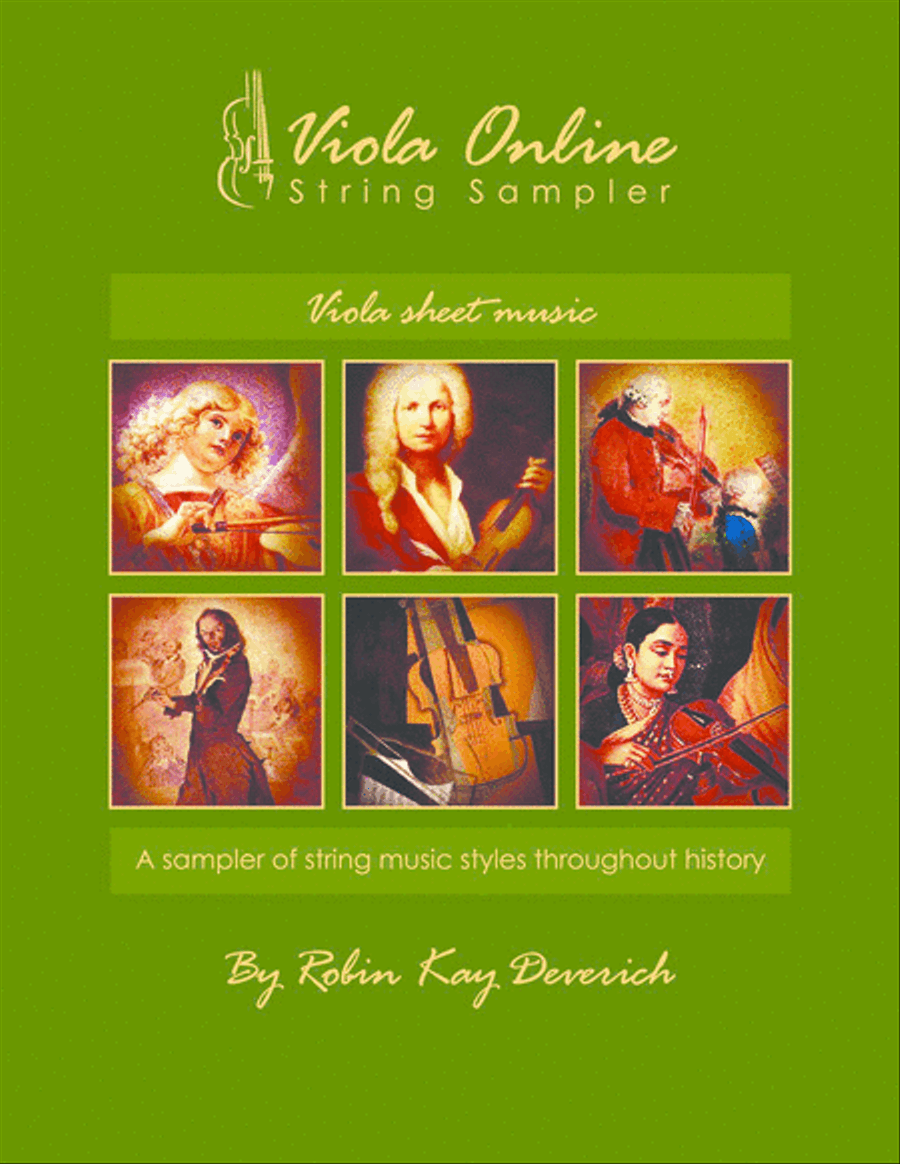
Viola String Sampler Sheet Music
Alto seul

$4.99 4.32 € Alto seul PDF SheetMusicPlus

Tenor Saxophone Duet Tenor Saxophone - Level 3 - Digital Download SKU: A0.552411 Composed by Leo Delibes (1836-1891). Arranged by James M. Guthrie. Holiday,Romantic Period,Standards,Wedding. Score. 7 pages. Jmsgu3 #6342675. Published by jmsgu3 (A0.552411). Duo of the flowers from Lakme, Act I. A popular wedding selection. Leo Delibes (1836-1891) was a French composer of the Romantic period best known for his ballets and operas. He was a child prodigy and began composing music at the age of seven. He studied at the Paris Conservatoire, where he developed a mastery of the symphonic form and wrote several pieces for the orchestra. His works for the stage are among the most popular and beloved of the Romantic era, including the ballets Coppélia and Sylvia, and the opera Lakmé.Delibes was a pioneer in the use of orchestral color and instrumental effects to enhance the dramatic narrative of his works. His works are often praised for their lyricism, graceful melodies, and colorful orchestrations. His music is considered to be a bridge between the grandiose and romantic works of the French composers before him, such as Gounod and Berlioz, and the more intimate and melodic style of composers like Debussy and Ravel.Delibes’ influence can be heard in the works of later composers such as Stravinsky and Prokofiev, and his music continues to be performed and enjoyed today. His contributions to music history are significant, and his works remain beloved masterpieces of the Romantic era. Léo Delibes' opera Lakmé is an opera in three acts. It was first performed in 1883 at the Théâtre Lyrique in Paris. The libretto was written by Edmond Gondinet and Philippe Gille. The story is set in British-occupied India and tells the story of a young Indian girl, Lakmé, who is in love with a British officer, Gerald. The story follows the couple's romantic journey, as well as the obstacles they face from Lakmé's father and the British military. The opera is best known for its beautiful score, which includes the famous aria The Flower Duet as well as the duet Lakmé! The Bell Song. The opera has been performed in opera houses all over the world and is considered one of Delibes' most popular works.The Duo des Fleurs, composed by French composer Léo Delibes, is a ballet pas de deux from the ballet Lakme, Act I. It is a beloved masterpiece of the Romantic period and is often performed as a standalone piece in many ballet performances. The piece is typically danced by two female ballet dancers and is known for its playful and lighthearted nature. The music consists of a melody that alternates between the two dancers and is often accompanied by a lighthearted waltz. The music has a strong sense of unity and connection between the two dancers, which is enhanced by the use of the same melody. The piece also features a beautiful soaring coda that gives it a sense of grandeur and beauty. The Duo des Fleurs is an exquisite piece of music and an enduring classic of the ballet repertoire.
Delibes: Duo des Fleurs for Tenor Sax Duo
2 Saxophones (duo)

$26.95 23.32 € 2 Saxophones (duo) PDF SheetMusicPlus

Brass Ensemble - Level 4 - Digital Download SKU: A0.973052 Composed by Francis Kayali. Concert,Graduation,Holiday,Wedding. Score and parts. 45 pages. Francis Kayali #6353591. Published by Francis Kayali (A0.973052). Vers l’avenir (French for Toward the Future) was a commission from Saint Anselm College (Manchester, New Hampshire) for the inauguration of its tenth president. The title, which echoed the college’s recently-announced Faith in the Future campaign, announces the mood of the piece: energetic, festive, with open and bold harmonies, but also incorporating more lyrical, reflective sections. I rarely set out to emulate a particular composer, but familiar voices or sounds do often emerge. To me, this piece has echoes of Giovanni Gabrieli, LeosÌŒ JanaÌcÌŒek, Maurice Ravel, Igor Stravinsky , Eric Ewazen, and Sonny Rollins, among others.
Vers l'avenir - Brass Quintet (2 trumpets in B flat, French Horn, Trombone, Tuba)
Quintette de Cuivres: 2 trompettes, Cor, trombone, tuba

$10.00 8.65 € Quintette de Cuivres: 2 trompettes, Cor, trombone, tuba PDF SheetMusicPlus

Piano Solo - Digital Download SKU: A0.902211 Arranged by Robin Kay Deverich. Contemporary. Score. 173 pages. Global Music School String Publications #5355075. Published by Global Music School String Publications (A0.902211). Violin Online String Sampler Piano Accompaniment features the piano accompaniment to Violin Online String Sampler Violin Sheet Music. 54 pieces are included in this collection, representing a variety of styles and music history periods and cultures, including Medieval, Renaissance, Baroque, Classical, Romantic, 20th Century, Fiddle, Klezmer, Gypsy, Chinese, Greek, Carnatic, Arabic, Mariachi, Ragtime and Blues. These arrangements have been simplified for advanced beginners to intermediate, and include a representative sampling of most major forms of string music such as concertos, symphonies, sonatas, quartets and trios. As an added bonus, sound files of each piece and a study guide are currently available on the website ViolinOnline.com* as a self-guided class specifically designed to accompany this music: https://www.violinonline.com/stringclass.html  The study guide explains the history and musical form of the selected pieces, and includes violin technique tips for each piece of music. Let the music begin!*No guarantees are made that these sound files and website will be available indefinitely.Pieces include: Columba aspexit by Hildegard of Bingen; Sixth Royal Estampie from Chansonnier du Roy; Helas Madame; Kemp’s Jigg; Fantasia by Lupo; Minuet from The Fiddle New Model’d by Crome; Rondeau by Purcell; Hornpipe from Water Music by Handel; La Folia medley by Marais, Corelli, and Vivaldi; Double Violin Concerto in A Minor, Op. 3, No. 8, 1st movement by Vivaldi; Prelude from Cello Suite I in G Major by Bach; Allegro from Brandenburg Concerto No. 5 by Bach; Kyrie from Messa a 4 con violini by Cazzati; Medley: He Shall Feed His Flock Like a Shepherd and Hallelujah Chorus from Messiah by Handel; Arioso from Cantata No.156 by Bach; Ave Verum Corpus, K. 618 by Mozart; Adagio from Violin Concerto No. 3 in G by Mozart; Andante from String Quartet No. 13 in Am by Schubert; Andante from Emperor Quartet in C major by Haydn; Surprise Symphony No. 94, 2nd movement by Haydn; Pastoral Symphony No. 6, 1st and 5th movements by Beethoven; Hungarian Dance No. 5 by Brahms; The Moldau from Ma Vlast by Smetana; Halling from 25 Norwegian Folksongs and Dances by Grieg; Emperor Waltz by Strauss; Vieille Chanson by Viardot; Andante from Violin Concerto in E Minor by Mendelssohn; Allegro and Adagio from Cello Concerto in B minor by Dvorak; Notturno from String Quartet No. 2 in D major by Borodin; Elegy Op. 44 for Viola and Piano by Glazunov; Barcarolla from Sonata in Bb for Viola and Piano by Vieuxtemps; Ave Maria from a theme by J.S. Bach by Gounod/Bach; Sicilienne Op. 78 for cello and piano by Fauré; Meditation from Thaïs by Massenet; Habanera from Carmen by Bizet; Reed Flutes from The Nutcracker Suite by Tchaikovsky; Overture from Pulcinella Ballet by Stravinsky; Moderato from Sonata No. 1 in G Major by Gallo; Assez vif from String Quartet in F Major by Ravel; Sehr langsam from 4 Pieces, Op. 7 by Webern; Simple Gifts melody by Brackett; Braul from Romanian Folk Dances by Bartok; The Basso-Gypsy Traditional; Odessa Bulgarish-Klezmer Traditional; Varys Hasapikos-Greek Traditional; El Jarabe Tapatio-Mexican Traditional; Jasmine Flower-Chinese Traditional; Sara Sara-TyÄgarÄja (Carnatic); Longa Nahawand by Bey (Arabic/Ottoman); Irish Washerwoman-Irish Traditional; Fiddle Medley: Bile Them Cabbage Down, Devil’s Dream and Shuffle-Fiddle Traditional; The Ragtime Violin by Berlin; The Castle Walk by Europe & Dabney; St. Louis Blues by Handy.
Piano Accompaniment String Sampler Sheet Music
Piano seul

$4.99 4.32 € Piano seul PDF SheetMusicPlus

Trombone Duet Trombone - Level 3 - Digital Download SKU: A0.552414 Composed by Leo Delibes (1836-1891). Arranged by James M. Guthrie. Holiday,Romantic Period,Standards,Wedding. Score. 7 pages. Jmsgu3 #6342767. Published by jmsgu3 (A0.552414). Duo of the flowers from Lakme, Act I. A popular wedding selection.Leo Delibes (1836-1891) was a French composer of the Romantic period best known for his ballets and operas. He was a child prodigy and began composing music at the age of seven. He studied at the Paris Conservatoire, where he developed a mastery of the symphonic form and wrote several pieces for the orchestra. His works for the stage are among the most popular and beloved of the Romantic era, including the ballets Coppélia and Sylvia, and the opera Lakmé.Delibes was a pioneer in the use of orchestral color and instrumental effects to enhance the dramatic narrative of his works. His works are often praised for their lyricism, graceful melodies, and colorful orchestrations. His music is considered to be a bridge between the grandiose and romantic works of the French composers before him, such as Gounod and Berlioz, and the more intimate and melodic style of composers like Debussy and Ravel.Delibes’ influence can be heard in the works of later composers such as Stravinsky and Prokofiev, and his music continues to be performed and enjoyed today. His contributions to music history are significant, and his works remain beloved masterpieces of the Romantic era.Léo Delibes' opera Lakmé is an opera in three acts. It was first performed in 1883 at the Théâtre Lyrique in Paris. The libretto was written by Edmond Gondinet and Philippe Gille. The story is set in British-occupied India and tells the story of a young Indian girl, Lakmé, who is in love with a British officer, Gerald. The story follows the couple's romantic journey, as well as the obstacles they face from Lakmé's father and the British military. The opera is best known for its beautiful score, which includes the famous aria The Flower Duet as well as the duet Lakmé! The Bell Song. The opera has been performed in opera houses all over the world and is considered one of Delibes' most popular works.The Duo des Fleurs, composed by French composer Léo Delibes, is a ballet pas de deux from the ballet Lakme, Act I. It is a beloved masterpiece of the Romantic period and is often performed as a standalone piece in many ballet performances. The piece is typically danced by two female ballet dancers and is known for its playful and lighthearted nature. The music consists of a melody that alternates between the two dancers and is often accompanied by a lighthearted waltz. The music has a strong sense of unity and connection between the two dancers, which is enhanced by the use of the same melody. The piece also features a beautiful soaring coda that gives it a sense of grandeur and beauty. The Duo des Fleurs is an exquisite piece of music and an enduring classic of the ballet repertoire.
Delibes: Duo des Fleurs for Trombone Duo & Piano
2 Trombones (duo)

$26.95 23.32 € 2 Trombones (duo) PDF SheetMusicPlus

Cello Duet Cello - Level 3 - Digital Download SKU: A0.552404 Composed by Leo Delibes (1836-1891). Arranged by James M. Guthrie. Holiday,Romantic Period,Standards,Wedding. Score. 7 pages. Jmsgu3 #6342545. Published by jmsgu3 (A0.552404). Duo of the Flowers from Lakme, Act I. A popular wedding selection.Leo Delibes (1836-1891) was a French composer of the Romantic period best known for his ballets and operas. He was a child prodigy and began composing music at the age of seven. He studied at the Paris Conservatoire, where he developed a mastery of the symphonic form and wrote several pieces for the orchestra. His works for the stage are among the most popular and beloved of the Romantic era, including the ballets Coppélia and Sylvia, and the opera Lakmé.Delibes was a pioneer in the use of orchestral color and instrumental effects to enhance the dramatic narrative of his works. His works are often praised for their lyricism, graceful melodies, and colorful orchestrations. His music is considered to be a bridge between the grandiose and romantic works of the French composers before him, such as Gounod and Berlioz, and the more intimate and melodic style of composers like Debussy and Ravel.Delibes’ influence can be heard in the works of later composers such as Stravinsky and Prokofiev, and his music continues to be performed and enjoyed today. His contributions to music history are significant, and his works remain beloved masterpieces of the Romantic era.Léo Delibes' opera Lakmé is an opera in three acts. It was first performed in 1883 at the Théâtre Lyrique in Paris. The libretto was written by Edmond Gondinet and Philippe Gille. The story is set in British-occupied India and tells the story of a young Indian girl, Lakmé, who is in love with a British officer, Gerald. The story follows the couple's romantic journey, as well as the obstacles they face from Lakmé's father and the British military. The opera is best known for its beautiful score, which includes the famous aria The Flower Duet as well as the duet Lakmé! The Bell Song. The opera has been performed in opera houses all over the world and is considered one of Delibes' most popular works.The Duo des Fleurs, composed by French composer Léo Delibes, is a ballet pas de deux from the ballet Lakme, Act I. It is a beloved masterpiece of the Romantic period and is often performed as a standalone piece in many ballet performances. The piece is typically danced by two female ballet dancers and is known for its playful and lighthearted nature. The music consists of a melody that alternates between the two dancers and is often accompanied by a lighthearted waltz. The music has a strong sense of unity and connection between the two dancers, which is enhanced by the use of the same melody. The piece also features a beautiful soaring coda that gives it a sense of grandeur and beauty. The Duo des Fleurs is an exquisite piece of music and an enduring classic of the ballet repertoire.
Delibes: Duo des Fleurs for Cello Duo & Piano
2 Violoncelles (duo)

$26.95 23.32 € 2 Violoncelles (duo) PDF SheetMusicPlus

Trumpet Duet Trumpet - Level 3 - Digital Download SKU: A0.552416 Composed by Leo Delibes (1836-1891). Arranged by James M. Guthrie. Holiday,Romantic Period,Standards,Wedding. Score. 7 pages. Jmsgu3 #6342775. Published by jmsgu3 (A0.552416). Duo of the flowers from Lakme, Act I. A popular wedding selection. Leo Delibes (1836-1891) was a French composer of the Romantic period best known for his ballets and operas. He was a child prodigy and began composing music at the age of seven. He studied at the Paris Conservatoire, where he developed a mastery of the symphonic form and wrote several pieces for the orchestra. His works for the stage are among the most popular and beloved of the Romantic era, including the ballets Coppélia and Sylvia, and the opera Lakmé.Delibes was a pioneer in the use of orchestral color and instrumental effects to enhance the dramatic narrative of his works. His works are often praised for their lyricism, graceful melodies, and colorful orchestrations. His music is considered to be a bridge between the grandiose and romantic works of the French composers before him, such as Gounod and Berlioz, and the more intimate and melodic style of composers like Debussy and Ravel.Delibes’ influence can be heard in the works of later composers such as Stravinsky and Prokofiev, and his music continues to be performed and enjoyed today. His contributions to music history are significant, and his works remain beloved masterpieces of the Romantic era.Léo Delibes' opera Lakmé is an opera in three acts. It was first performed in 1883 at the Théâtre Lyrique in Paris. The libretto was written by Edmond Gondinet and Philippe Gille. The story is set in British-occupied India and tells the story of a young Indian girl, Lakmé, who is in love with a British officer, Gerald. The story follows the couple's romantic journey, as well as the obstacles they face from Lakmé's father and the British military. The opera is best known for its beautiful score, which includes the famous aria The Flower Duet as well as the duet Lakmé! The Bell Song. The opera has been performed in opera houses all over the world and is considered one of Delibes' most popular works.The Duo des Fleurs, composed by French composer Léo Delibes, is a ballet pas de deux from the ballet Lakme, Act I. It is a beloved masterpiece of the Romantic period and is often performed as a standalone piece in many ballet performances. The piece is typically danced by two female ballet dancers and is known for its playful and lighthearted nature. The music consists of a melody that alternates between the two dancers and is often accompanied by a lighthearted waltz. The music has a strong sense of unity and connection between the two dancers, which is enhanced by the use of the same melody. The piece also features a beautiful soaring coda that gives it a sense of grandeur and beauty. The Duo des Fleurs is an exquisite piece of music and an enduring classic of the ballet repertoire.
Delibes: Duo des Fleurs for Trumpet Duo & Piano
2 Trompettes (duo)

$26.95 23.32 € 2 Trompettes (duo) PDF SheetMusicPlus

Soprano Saxophone Duet Soprano Saxophone - Level 3 - Digital Download SKU: A0.552409 Composed by Leo Delibes (1836-1891). Arranged by James M. Guthrie. Holiday,Romantic Period,Standards,Wedding. Score. 7 pages. Jmsgu3 #6342601. Published by jmsgu3 (A0.552409). Duo of the flowers from Lakme, Act I. A popular wedding selection.Leo Delibes (1836-1891) was a French composer of the Romantic period best known for his ballets and operas. He was a child prodigy and began composing music at the age of seven. He studied at the Paris Conservatoire, where he developed a mastery of the symphonic form and wrote several pieces for the orchestra. His works for the stage are among the most popular and beloved of the Romantic era, including the ballets Coppélia and Sylvia, and the opera Lakmé.Delibes was a pioneer in the use of orchestral color and instrumental effects to enhance the dramatic narrative of his works. His works are often praised for their lyricism, graceful melodies, and colorful orchestrations. His music is considered to be a bridge between the grandiose and romantic works of the French composers before him, such as Gounod and Berlioz, and the more intimate and melodic style of composers like Debussy and Ravel.Delibes’ influence can be heard in the works of later composers such as Stravinsky and Prokofiev, and his music continues to be performed and enjoyed today. His contributions to music history are significant, and his works remain beloved masterpieces of the Romantic era.Léo Delibes' opera Lakmé is an opera in three acts. It was first performed in 1883 at the Théâtre Lyrique in Paris. The libretto was written by Edmond Gondinet and Philippe Gille. The story is set in British-occupied India and tells the story of a young Indian girl, Lakmé, who is in love with a British officer, Gerald. The story follows the couple's romantic journey, as well as the obstacles they face from Lakmé's father and the British military. The opera is best known for its beautiful score, which includes the famous aria The Flower Duet as well as the duet Lakmé! The Bell Song. The opera has been performed in opera houses all over the world and is considered one of Delibes' most popular works.The Duo des Fleurs, composed by French composer Léo Delibes, is a ballet pas de deux from the ballet Lakme, Act I. It is a beloved masterpiece of the Romantic period and is often performed as a standalone piece in many ballet performances. The piece is typically danced by two female ballet dancers and is known for its playful and lighthearted nature. The music consists of a melody that alternates between the two dancers and is often accompanied by a lighthearted waltz. The music has a strong sense of unity and connection between the two dancers, which is enhanced by the use of the same melody. The piece also features a beautiful soaring coda that gives it a sense of grandeur and beauty. The Duo des Fleurs is an exquisite piece of music and an enduring classic of the ballet repertoire.
Delibes: Duo des Fleurs for Soprano Sax Duo & Piano
2 Saxophones (duo)

$26.95 23.32 € 2 Saxophones (duo) PDF SheetMusicPlus

Instrumental Duet Euphonium,Instrumental Duet - Level 3 - Digital Download SKU: A0.552413 Composed by Leo Delibes (1836-1891. Arranged by James M. Guthrie. Holiday,Romantic Period,Standards,Wedding. Score and parts. 7 pages. Jmsgu3 #6342753. Published by jmsgu3 (A0.552413). Duo of the flowers from Lakme, Act I. A popular wedding selection.Leo Delibes (1836-1891) was a French composer of the Romantic period best known for his ballets and operas. He was a child prodigy and began composing music at the age of seven. He studied at the Paris Conservatoire, where he developed a mastery of the symphonic form and wrote several pieces for the orchestra. His works for the stage are among the most popular and beloved of the Romantic era, including the ballets Coppélia and Sylvia, and the opera Lakmé.Delibes was a pioneer in the use of orchestral color and instrumental effects to enhance the dramatic narrative of his works. His works are often praised for their lyricism, graceful melodies, and colorful orchestrations. His music is considered to be a bridge between the grandiose and romantic works of the French composers before him, such as Gounod and Berlioz, and the more intimate and melodic style of composers like Debussy and Ravel.Delibes’ influence can be heard in the works of later composers such as Stravinsky and Prokofiev, and his music continues to be performed and enjoyed today. His contributions to music history are significant, and his works remain beloved masterpieces of the Romantic era.Léo Delibes' opera Lakmé is an opera in three acts. It was first performed in 1883 at the Théâtre Lyrique in Paris. The libretto was written by Edmond Gondinet and Philippe Gille. The story is set in British-occupied India and tells the story of a young Indian girl, Lakmé, who is in love with a British officer, Gerald. The story follows the couple's romantic journey, as well as the obstacles they face from Lakmé's father and the British military. The opera is best known for its beautiful score, which includes the famous aria The Flower Duet as well as the duet Lakmé! The Bell Song. The opera has been performed in opera houses all over the world and is considered one of Delibes' most popular works.The Duo des Fleurs, composed by French composer Léo Delibes, is a ballet pas de deux from the ballet Lakme, Act I. It is a beloved masterpiece of the Romantic period and is often performed as a standalone piece in many ballet performances. The piece is typically danced by two female ballet dancers and is known for its playful and lighthearted nature. The music consists of a melody that alternates between the two dancers and is often accompanied by a lighthearted waltz. The music has a strong sense of unity and connection between the two dancers, which is enhanced by the use of the same melody. The piece also features a beautiful soaring coda that gives it a sense of grandeur and beauty. The Duo des Fleurs is an exquisite piece of music and an enduring classic of the ballet repertoire.
Delibes: Duo des Fleurs for Euphonium Duo & Piano
2 Euphoniums (duo)

$26.95 23.32 € 2 Euphoniums (duo) PDF SheetMusicPlus

Alto Saxophone Duet Alto Saxophone - Level 3 - Digital Download SKU: A0.552408 Composed by Leo Delibes (1836-1891). Arranged by James M. Guthrie. Holiday,Romantic Period,Standards,Wedding. 2 scores. 7 pages. Jmsgu3 #6342583. Published by jmsgu3 (A0.552408). Duo of the flowers from Lakme, Act I. A popular wedding selection. Leo Delibes (1836-1891) was a French composer of the Romantic period best known for his ballets and operas. He was a child prodigy and began composing music at the age of seven. He studied at the Paris Conservatoire, where he developed a mastery of the symphonic form and wrote several pieces for the orchestra. His works for the stage are among the most popular and beloved of the Romantic era, including the ballets Coppélia and Sylvia, and the opera Lakmé.Delibes was a pioneer in the use of orchestral color and instrumental effects to enhance the dramatic narrative of his works. His works are often praised for their lyricism, graceful melodies, and colorful orchestrations. His music is considered to be a bridge between the grandiose and romantic works of the French composers before him, such as Gounod and Berlioz, and the more intimate and melodic style of composers like Debussy and Ravel.Delibes’ influence can be heard in the works of later composers such as Stravinsky and Prokofiev, and his music continues to be performed and enjoyed today. His contributions to music history are significant, and his works remain beloved masterpieces of the Romantic era.Léo Delibes' opera Lakmé is an opera in three acts. It was first performed in 1883 at the Théâtre Lyrique in Paris. The libretto was written by Edmond Gondinet and Philippe Gille. The story is set in British-occupied India and tells the story of a young Indian girl, Lakmé, who is in love with a British officer, Gerald. The story follows the couple's romantic journey, as well as the obstacles they face from Lakmé's father and the British military. The opera is best known for its beautiful score, which includes the famous aria The Flower Duet as well as the duet Lakmé! The Bell Song. The opera has been performed in opera houses all over the world and is considered one of Delibes' most popular works. The Duo des Fleurs, composed by French composer Léo Delibes, is a ballet pas de deux from the ballet Lakme, Act I. It is a beloved masterpiece of the Romantic period and is often performed as a standalone piece in many ballet performances. The piece is typically danced by two female ballet dancers and is known for its playful and lighthearted nature. The music consists of a melody that alternates between the two dancers and is often accompanied by a lighthearted waltz. The music has a strong sense of unity and connection between the two dancers, which is enhanced by the use of the same melody. The piece also features a beautiful soaring coda that gives it a sense of grandeur and beauty. The Duo des Fleurs is an exquisite piece of music and an enduring classic of the ballet repertoire.
Delibes: Duo des Fleurs for Alto Sax Duo & Piano
2 Saxophones (duo)

$26.95 23.32 € 2 Saxophones (duo) PDF SheetMusicPlus

Instrumental Duet Baritone Horn TC,Instrumental Duet - Level 3 - Digital Download SKU: A0.552415 Composed by Leo Delibes (1836-1891). Arranged by James M. Guthrie. Holiday,Romantic Period,Standards,Wedding. Score and parts. 7 pages. Jmsgu3 #6342771. Published by jmsgu3 (A0.552415). Duo of the flowers from Lakme, Act I. A popular wedding selection.Leo Delibes (1836-1891) was a French composer of the Romantic period best known for his ballets and operas. He was a child prodigy and began composing music at the age of seven. He studied at the Paris Conservatoire, where he developed a mastery of the symphonic form and wrote several pieces for the orchestra. His works for the stage are among the most popular and beloved of the Romantic era, including the ballets Coppélia and Sylvia, and the opera Lakmé.Delibes was a pioneer in the use of orchestral color and instrumental effects to enhance the dramatic narrative of his works. His works are often praised for their lyricism, graceful melodies, and colorful orchestrations. His music is considered to be a bridge between the grandiose and romantic works of the French composers before him, such as Gounod and Berlioz, and the more intimate and melodic style of composers like Debussy and Ravel.Delibes’ influence can be heard in the works of later composers such as Stravinsky and Prokofiev, and his music continues to be performed and enjoyed today. His contributions to music history are significant, and his works remain beloved masterpieces of the Romantic era.Léo Delibes' opera Lakmé is an opera in three acts. It was first performed in 1883 at the Théâtre Lyrique in Paris. The libretto was written by Edmond Gondinet and Philippe Gille. The story is set in British-occupied India and tells the story of a young Indian girl, Lakmé, who is in love with a British officer, Gerald. The story follows the couple's romantic journey, as well as the obstacles they face from Lakmé's father and the British military. The opera is best known for its beautiful score, which includes the famous aria The Flower Duet as well as the duet Lakmé! The Bell Song. The opera has been performed in opera houses all over the world and is considered one of Delibes' most popular works.The Duo des Fleurs, composed by French composer Léo Delibes, is a ballet pas de deux from the ballet Lakme, Act I. It is a beloved masterpiece of the Romantic period and is often performed as a standalone piece in many ballet performances. The piece is typically danced by two female ballet dancers and is known for its playful and lighthearted nature. The music consists of a melody that alternates between the two dancers and is often accompanied by a lighthearted waltz. The music has a strong sense of unity and connection between the two dancers, which is enhanced by the use of the same melody. The piece also features a beautiful soaring coda that gives it a sense of grandeur and beauty. The Duo des Fleurs is an exquisite piece of music and an enduring classic of the ballet repertoire.
Delibes: Duo des Fleurs for Baritone Horn Duo & Piano

$26.95 23.32 € PDF SheetMusicPlus

Violin Duet Violin - Level 3 - Digital Download SKU: A0.552401 Composed by Leo Delibes (1836-1891). Arranged by James M. Guthrie. Instructional,Romantic Period,Standards,Wedding. 7 pages. Jmsgu3 #6342505. Published by jmsgu3 (A0.552401). Duo of flowers from Lakme, Act I. A popular wedding selection.Leo Delibes (1836-1891) was a French composer of the Romantic period best known for his ballets and operas. He was a child prodigy and began composing music at the age of seven. He studied at the Paris Conservatoire, where he developed a mastery of the symphonic form and wrote several pieces for the orchestra. His works for the stage are among the most popular and beloved of the Romantic era, including the ballets Coppélia and Sylvia, and the opera Lakmé.Delibes was a pioneer in the use of orchestral color and instrumental effects to enhance the dramatic narrative of his works. His works are often praised for their lyricism, graceful melodies, and colorful orchestrations. His music is considered to be a bridge between the grandiose and romantic works of the French composers before him, such as Gounod and Berlioz, and the more intimate and melodic style of composers like Debussy and Ravel.Delibes’ influence can be heard in the works of later composers such as Stravinsky and Prokofiev, and his music continues to be performed and enjoyed today. His contributions to music history are significant, and his works remain beloved masterpieces of the Romantic era.Léo Delibes' opera Lakmé is an opera in three acts. It was first performed in 1883 at the Théâtre Lyrique in Paris. The libretto was written by Edmond Gondinet and Philippe Gille. The story is set in British-occupied India and tells the story of a young Indian girl, Lakmé, who is in love with a British officer, Gerald. The story follows the couple's romantic journey, as well as the obstacles they face from Lakmé's father and the British military. The opera is best known for its beautiful score, which includes the famous aria The Flower Duet as well as the duet Lakmé! The Bell Song. The opera has been performed in opera houses all over the world and is considered one of Delibes' most popular works.The Duo des Fleurs, composed by French composer Léo Delibes, is a ballet pas de deux from the ballet Lakme, Act I. It is a beloved masterpiece of the Romantic period and is often performed as a standalone piece in many ballet performances. The piece is typically danced by two female ballet dancers and is known for its playful and lighthearted nature. The music consists of a melody that alternates between the two dancers and is often accompanied by a lighthearted waltz. The music has a strong sense of unity and connection between the two dancers, which is enhanced by the use of the same melody. The piece also features a beautiful soaring coda that gives it a sense of grandeur and beauty. The Duo des Fleurs is an exquisite piece of music and an enduring classic of the ballet repertoire.
Delibes: Duo des Fleurs for Violin Duo & Piano
2 Violons (duo)

$26.95 23.32 € 2 Violons (duo) PDF SheetMusicPlus


Partitions Gratuites
Acheter des Partitions Musicales
Acheter des Partitions Digitales à Imprimer
Acheter des Instruments de Musique

© 2000 - 2026

Accueil - Version intégrale





